







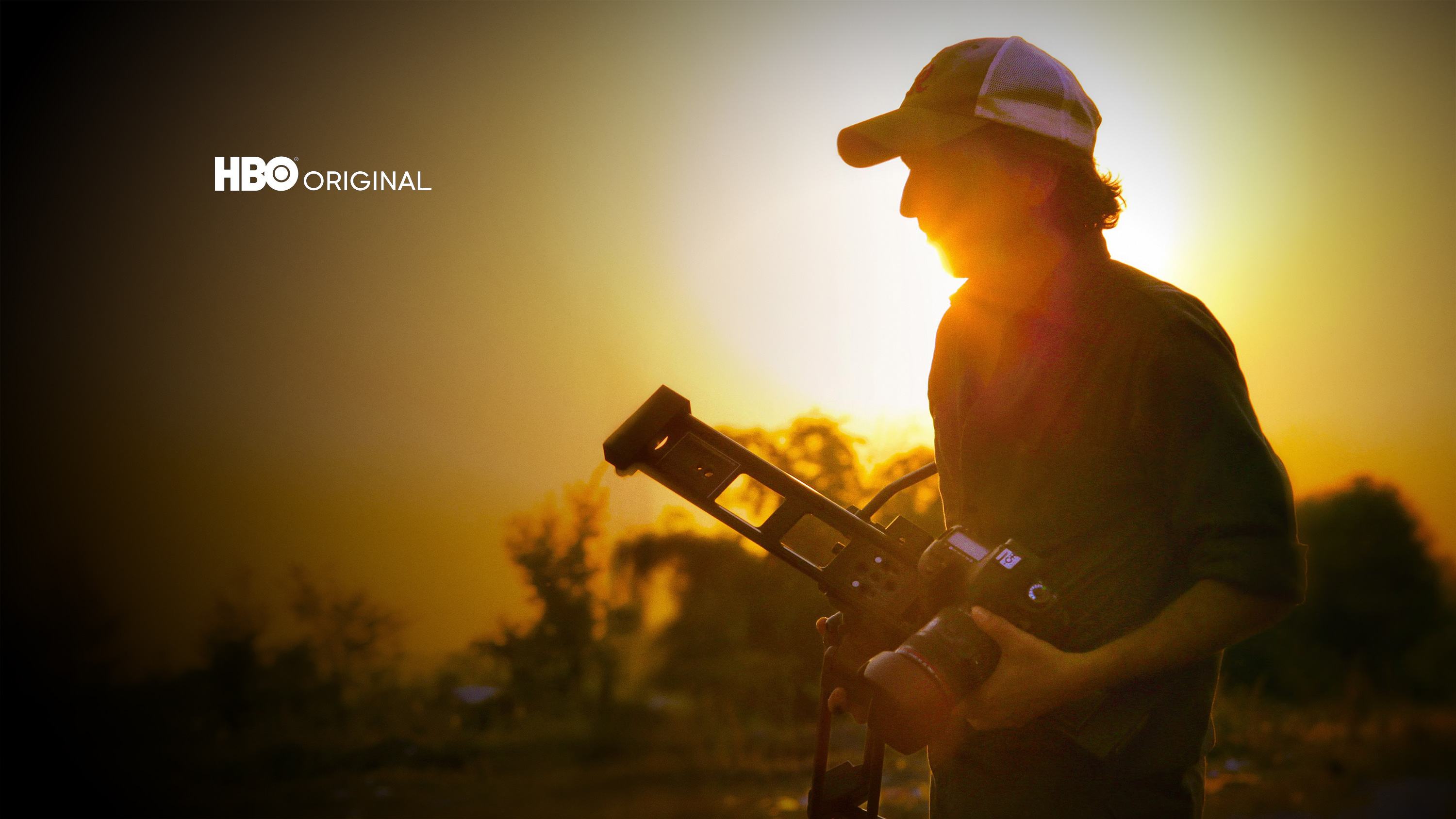
For more than fifty years, documentary filmmaker Jon Alpert has defined what modern video journalism can be. In the early 1970s, when video was a fringe technology rejected by newsrooms and film studios, he carried the first portable cameras into front-line conflicts, capturing stories no traditional crew could access. His groundbreaking verité reporting has earned him seventeen Emmy Awards, multiple DuPont-Columbia Awards, a Peabody Award, and two Academy-Award nominations.
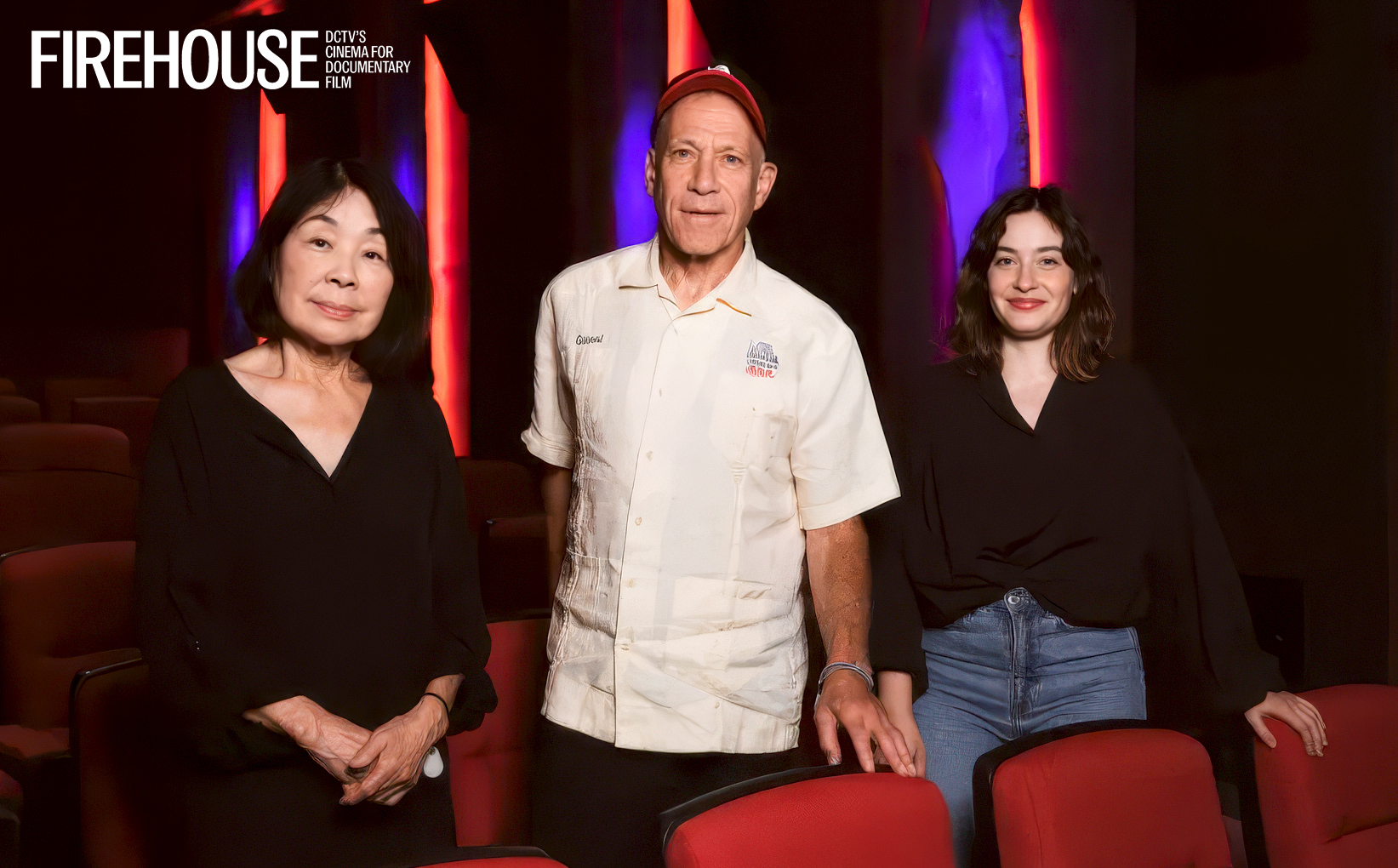
In 1972, Alpert co-founded Downtown Community Television Center (DCTV), one of the first community media centers in the United States. From its landmark Manhattan firehouse location, DCTV has trained more than thousands of storytellers and launched the careers of many filmmakers. Among them were Craig and Brent Renaud, who began their work at DCTV and developed the immersive, human-centered reporting style that made them internationally respected journalists.
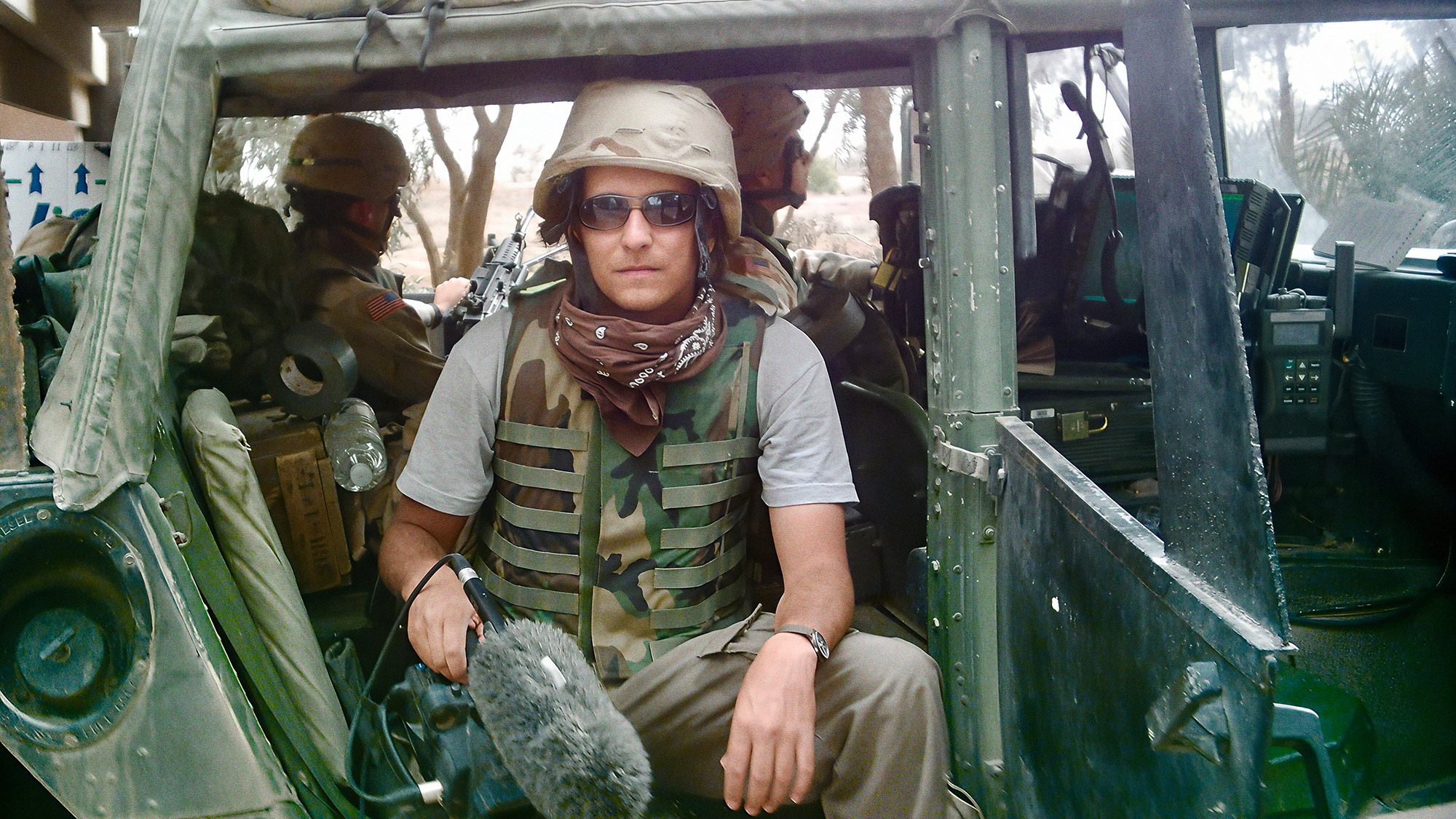
That connection comes full circle in the HBO documentary Armed Only With a Camera: The Life and Death of Brent Renaud. Directed by Craig Renaud and produced with Alpert as a hands-on executive producer, the 37 minute film pays tribute to Brent, who was killed by Russian soldiers while reporting in Ukraine in 2022. To prepare years of verité footage for a modern streaming release, the film's post team turned to Topaz Video, restoring material pulled from older projects like the 10-part Discovery series Off to War, Last Chance High, and the Renauds’ reporting trips across Central America and Haiti, all while preserving the honesty and immediacy that defined Brent’s work.
Restoring vérité footage with care and intention
Armed Only With a Camera is built almost entirely from existing footage captured by the Renauds and Alpert across twenty years and dozens of countries. The material ranged from early DV and Betacam recordings to handheld GoPro shots and older digital cameras that were not designed for today’s high resolution, 4K delivery.
“The pictures were powerful, but some looked like they were shot through cheesecloth,” Alpert says. “We needed them to feel clear and present without changing the era they came from. That balance is important to documentary ethics.”
Supervising producer Naomi Mizoguchi began evaluating Topaz Video (formerly Video AI) across key scenes, partnering with the Topaz support team to dial-in the best settings. By analyzing each shot individually, she achieved clean upscaling that preserved detail without introducing artifacts or an over-processed feel.
“The Topaz product and support teams were fast and very helpful,” Mizoguchi says. “They helped us test and find the best settings for our footage.”
The results stabilized handheld shots, reduced noise, and helped older camera formats hold up in a 4K HBO master while maintaining their vérité character. In a few scenes, the colorist added a light touch of grain to sharpen eyes and preserve the original texture of the footage.
Authenticity over perfection
For Alpert, the debate around AI in journalism starts with a simple rule: the images must remain honest. “Some systems sharpen so aggressively that the footage looks synthetic,” he says. “That is wrong for this kind of storytelling. Topaz gave us the controls to improve the work without distorting it.”
The team treated each enhancement as a preservation effort rather than a transformation. The goal was not to modernize Brent’s images, but to let audiences see them as clearly as the brothers did in the moment.
“Topaz Video helps us significantly improve our footage while staying within the ethical boundaries.” - Jon Aplert, Supervising Producer
A film shaped by mentorship, craft, and loss
For Alpert, the project also carried deep personal meaning. He reviewed every cut with Craig, helping him shape the narrative while navigating the emotional weight of finishing his brother’s final film. The resulting documentary honors Brent’s compassion, bravery, and commitment to showing the human impact of conflict.
“This film shows the cost of conflict journalism,” Alpert says. “Our job is to protect the truth Brent was trying to show, and Topaz helped us do that.”
Armed Only with a Camera: The Life and Death of Brent Renaud is now streaming on HBO. It stands as a tribute to Brent Renaud and to the power of verité storytelling, supported by a restoration workflow that allowed decades of fragile footage to meet the demands of modern presentation without compromising authenticity.
A new path for DCTV’s archival future
Working with Topaz Video did more than help finish Armed Only With a Camera. It revealed a broader opportunity for the team at DCTV, especially with diffusion models like Starlight Mini and Starlight Sharp being able to transform archival footage. “We have a massive vault of videotaped journalism materials documenting historically important political events from all over the world,” Alpert says. “Vietnam. Cambodia. Nicaragua. Iraq. All the wars in Central America. Preserving this important work and making it available to modern filmmakers matters! Now we can provide this as a service for other independent films.”
Alpert adds, “AI-based filmmaking tools, when done right like Topaz, can help breathe new life into archival video. This opens up new possibilities, including potential revenue streams for independent filmmakers.”
DCTV also envisions future community events, workshops, and screenings that explore the impact of AI tools on documentary practice and archival preservation. With its dedicated cinema and education programs, the center is uniquely positioned to lead conversations about ethics, restoration, and emerging creative technology.


