







For director and multi-disciplinary artist Paul Trillo, experimentation drives the work. From early bullet-time rigs built with smartphones to drone-based cinematography, he has consistently explored how new tools expand visual storytelling and bring ideas closer to production-ready results.
Today, as co-founder of Asteria Films, that mindset extends into hybrid AI production. Asteria combines traditional filmmaking with AI-driven R&D, developing workflows that blend established techniques with emerging technology and push projects toward final quality.
Instead of replacing production and post, Trillo treats AI as an extension, augmenting projects with greater flexibility and control. At Asteria, projects begin with original, artist-created sources such as illustration, animation, or live-action plates, which guide custom AI models trained for each production. The process is designed to streamline the pipeline while preserving craft, intent, and the level of quality required for professional delivery.
Rethinking the Render Pipeline: Aston Martin F1 x CoreWeave
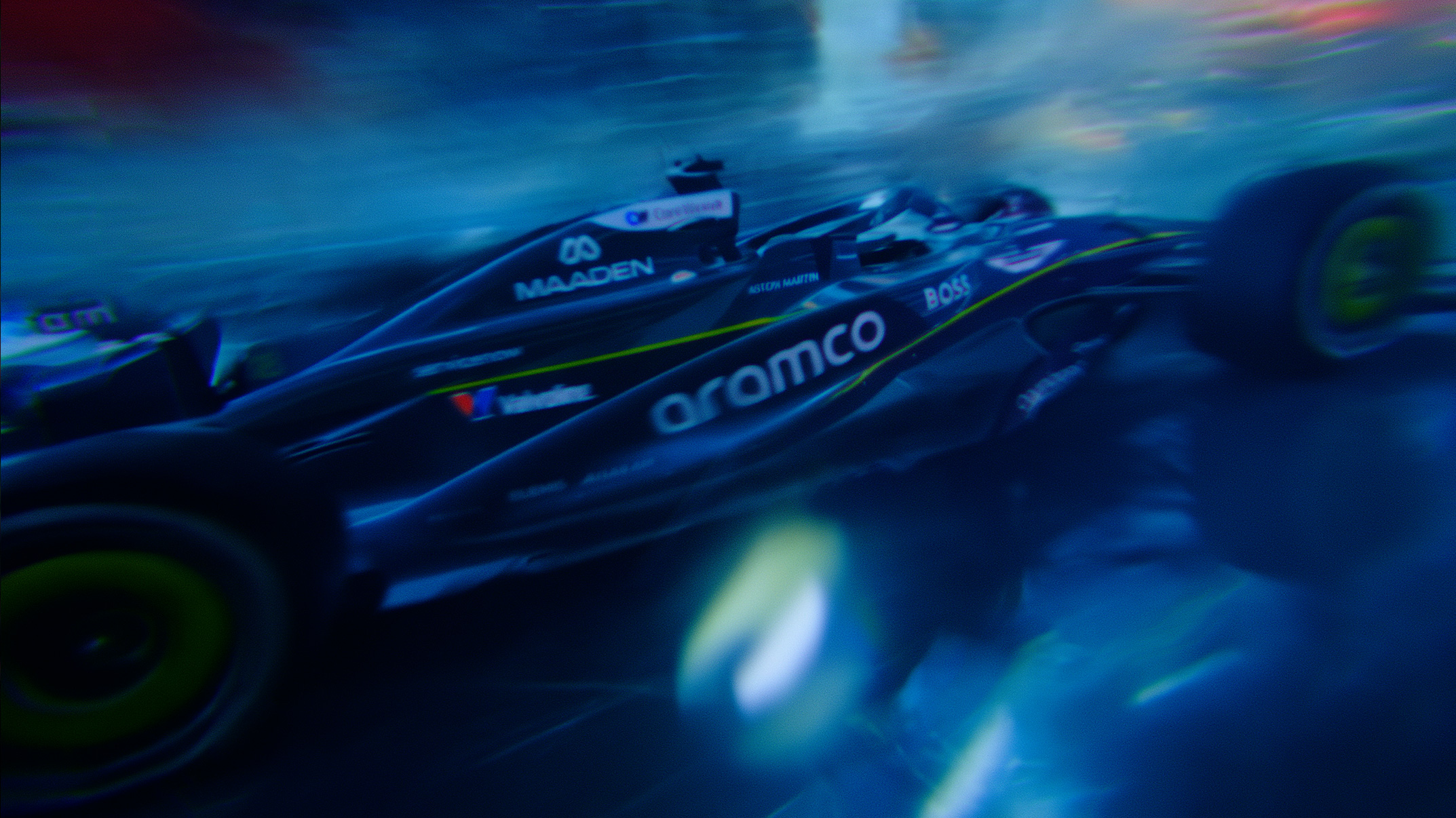
Rather than relying solely on traditional 3D pipelines, Asteria combined practical miniature shoots with 3D tracking to create animatics that guided AI-driven elements. From there, CGI renders and 2D composites, often built with dozens of layers, were used to define reflections, lighting, and logos. Custom AI LoRAs were then used to interpolate between these frames, connecting art-directed moments rather than replacing them.
This hybrid approach preserved creative control while significantly reducing render time, cutting a process that might take six months down to under three. At the same time, it reinforced the limits of AI. Branding elements such as logos required exact placement and clarity, leading the team to reintroduce clean assets from 3D renders during compositing. The result was a balanced pipeline that used AI where it was effective and traditional techniques where precision mattered. Watch the final project.
Bringing It Together: Topaz in the Final Stage
Across Asteria’s workflow, Topaz Video and Astra are for final upscaling, enhancement and delivery. On the Aston Martin project, a mix of Proteus and Starlight Precise models were used to upscale from HD to 4K, enhance detail, and improve dynamic range before final compositing. These enhanced clips were then reintegrated into the pipeline, ensuring consistency between AI-generated imagery and traditional renders.
Because the workflow moves between multiple sources, maintaining visual consistency is one of the biggest challenges. Topaz acts as a unifying layer, bringing clarity and cohesion to the final output and helping “glue everything together” as the project moves toward delivery.
“Topaz Video is one of the few AI tools that is actually designed for film professionals. It just glues everything together.”
That focus on professional workflows is critical. Support for high-quality formats, controlled enhancement, and predictable results makes Topaz a reliable component in Asteria’s pipeline.
A similar approach carries across Asteria’s broader work. In the short film, Etherea, dancers were filmed and then transformed into abstract, cloud-like animated forms using depth data and custom AI models. Again Topaz was used for the final upscaling and enhancement.
In the music video, “A Love Letter to LA” for the artist Cuco, Trillo combined hand-drawn animation from the artist Paul Flores, with 2D and 3D workflows, and AI-assisted generation, again using Topaz to enhance resolution and prepare the final image.
Across all three projects, a consistent hybrid approach emerges, grounded in an “artist first” workflow. Original material is created and art directed first, AI is used to augment and extend, traditional tools restore precision, and Topaz enhances resolution and quality for delivery.
The Future of Hybrid Filmmaking
For Trillo, the advantage comes down to experience. Artists with a traditional background know where time is lost, where quality can break down, and where precision still matters. That perspective makes it possible to apply AI selectively, accelerating the process without compromising the result.
These tools are not replacements for craft, but amplifiers of it. When used well, they reduce technical friction and free up more time for creative decisions.
Alongside its production work, Asteria is building tools to rethink how films are made. Through its R&D group, the team is developing Continuum Suite, a platform that connects script, story, production, and animation into a unified system.
The future of filmmaking is hybrid. Artists with real-world production and visual effects experience are best positioned to shape it and decide where these tools belong. In a hybrid future, the advantage belongs to artists who understand the craft and the tools that respect it. Visit Asteria Film to learn more.


