




With “Nobody Dies on Mars”, Verena Puhm combined story-first GenAI filmmaking with Topaz Starlight, and Adobe Premiere to deliver an award-winning film built for the big screen.
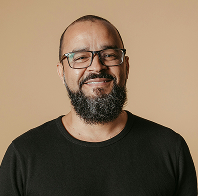
Austrian-born filmmaker Verena Puhm built her career across writing, directing, producing, and traditional film and television, with credits for CNN, BBC, Netflix, and German television. Her path into generative AI began while developing a period television series, when she started using Midjourney to create visual references she couldn’t find through traditional sources. That experimentation soon grew into GenAI films, commercials, and music videos that earned worldwide recognition across film festivals and competitions.
That momentum eventually led Puhm to Luma AI, where she helped establish and lead Dream Lab LA. Today, she is co-founder and CEO of Matriarch, a tech-entertainment studio focused on original IP, generative production, and new ways of thinking about the future of entertainment. The Topaz team recently spoke with Puhm about her career, award-winning GenAI projects, and the launch of her new venture.
How did your traditional filmmaking background shape the way you approach GenAI?
“I noticed that with all the projects I was making, I was thinking about the story or the character first. The visuals were important, but it was more about: What do I want to tell? Who is the character? What do they need? What is the actual story?”
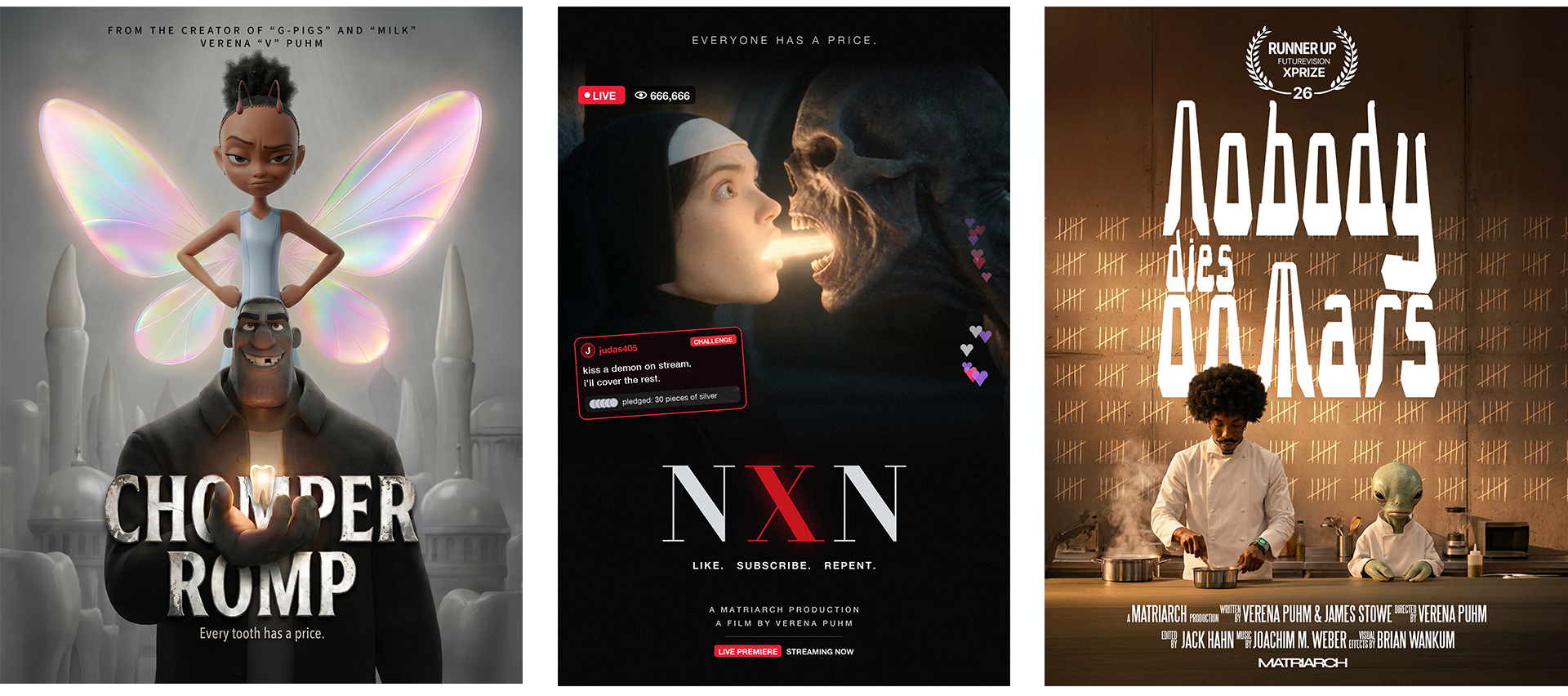
That story-first approach helped distinguish Puhm’s early AI work at a time when much of the emerging field was focused on visual experimentation.
What did working inside Luma AI change for you?
At Luma, Puhm helped establish and lead Dream Lab LA, where filmmakers worked directly with engineers and researchers to shape new AI filmmaking tools and workflows.
“For me, it was an opportunity to dive deeply into what the tools actually needed. Before that, I was outside the tech companies trying to break the tools, mix them together, and get the shot I wanted. Suddenly, I was able to help shape the tools themselves.”
Building a New Studio for GenAI Filmmaking
As GenAI tools became capable of supporting longer-form work, Puhm saw an opportunity to build the kind of studio she wanted to work in. She founded Matriarch around original IP, production, and technology, with an emphasis on broadening who gets to shape this emerging industry.
“When we all started in AI, the tools were not ready for long form. Now they are getting there, and I saw the opportunity to start making the projects I had always wanted to make.”
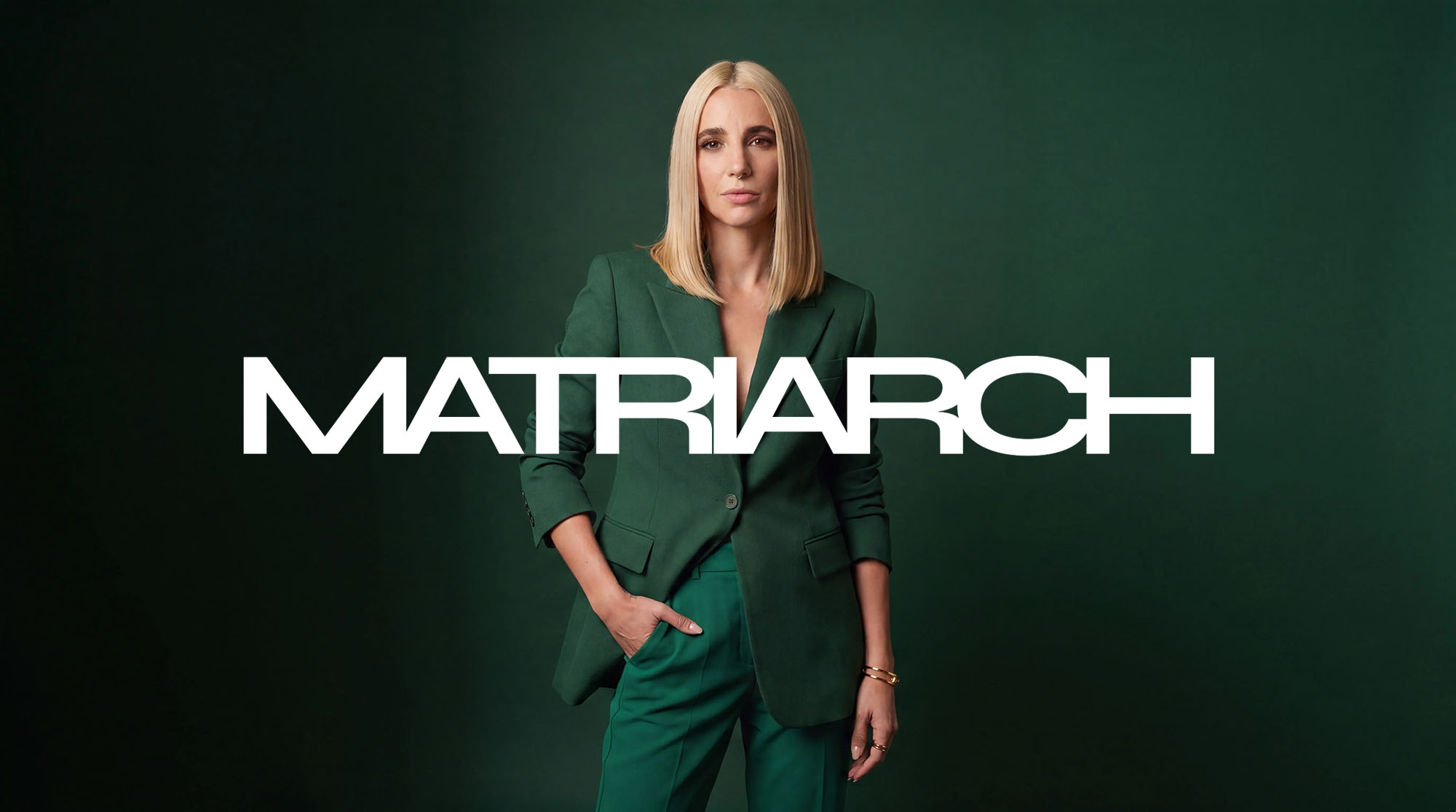
As a female-founded studio, Matriarch is also intended to help broaden representation in a still male-dominated technology space. For Puhm, the studio also represents a larger idea: if creators can suddenly make almost anything, what should they make?
Nobody Dies on Mars
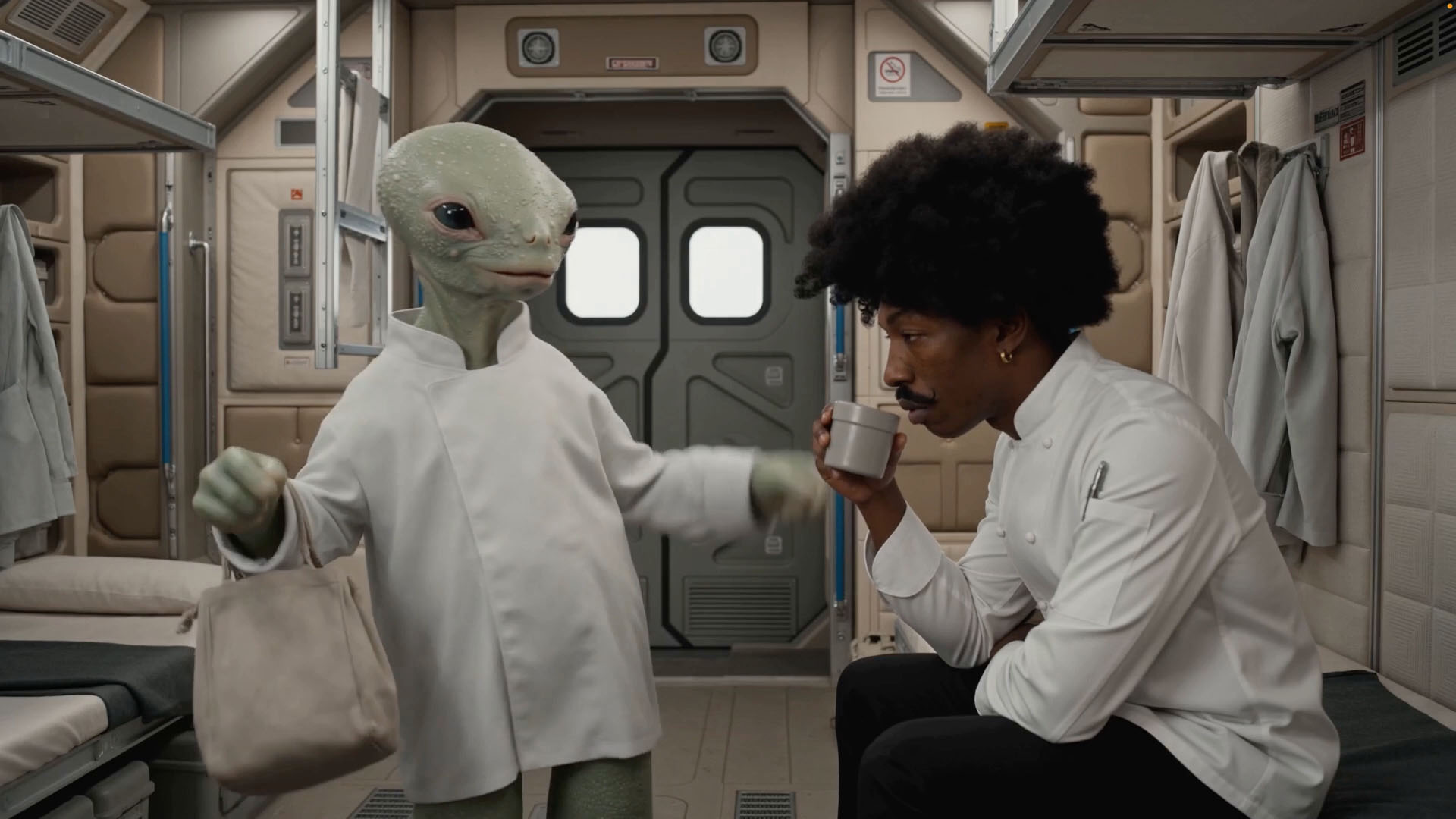
One of Matriarch’s first projects, Nobody Dies on Mars, deliberately avoids the spectacle and action that often define science fiction. Instead, Puhm and co-writer James Stowe focused on a more human question: if technology could solve many of society’s biggest problems, would people actually be happier?
The story follows Ras, a chef who has lost his taste for life, and Miso, his alien companion, using science fiction as a backdrop to explore connection, purpose, and what makes life worth living.
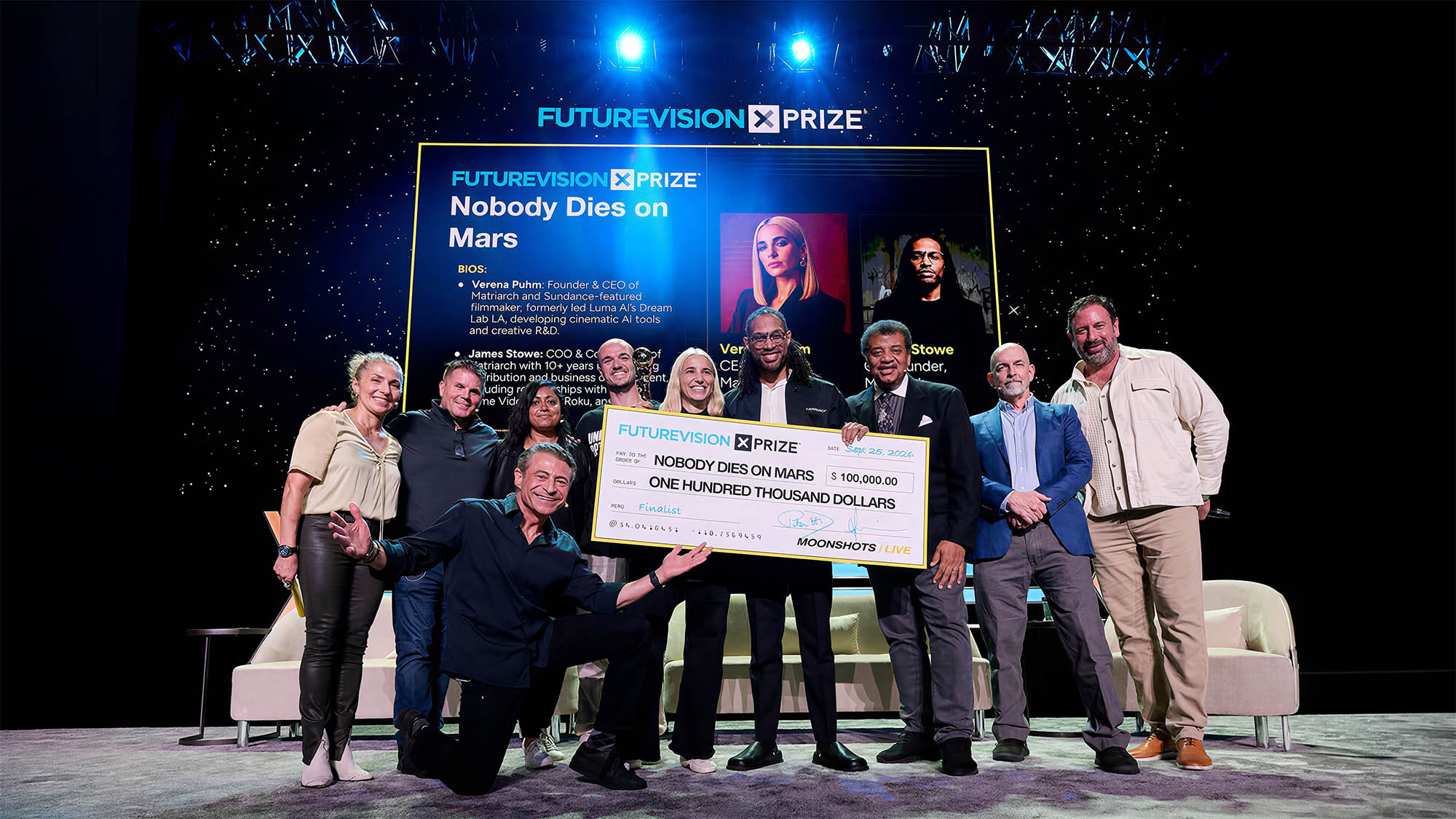
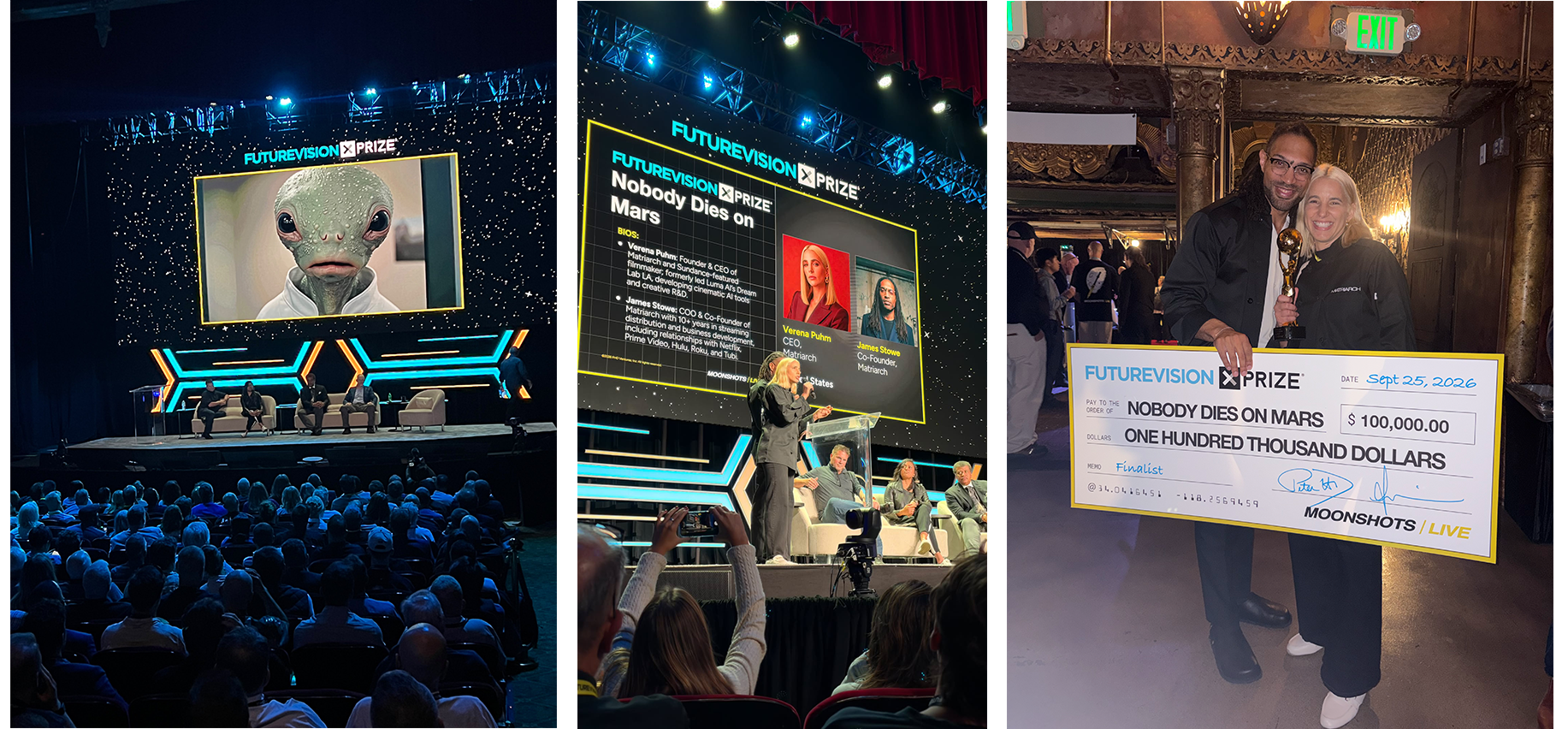
The project was selected as one of five finalists from more than 2,500 submissions to the 2026 Future Vision XPRIZE and ultimately took second place, receiving a $100,000 award.
From GenAI output to the big screen
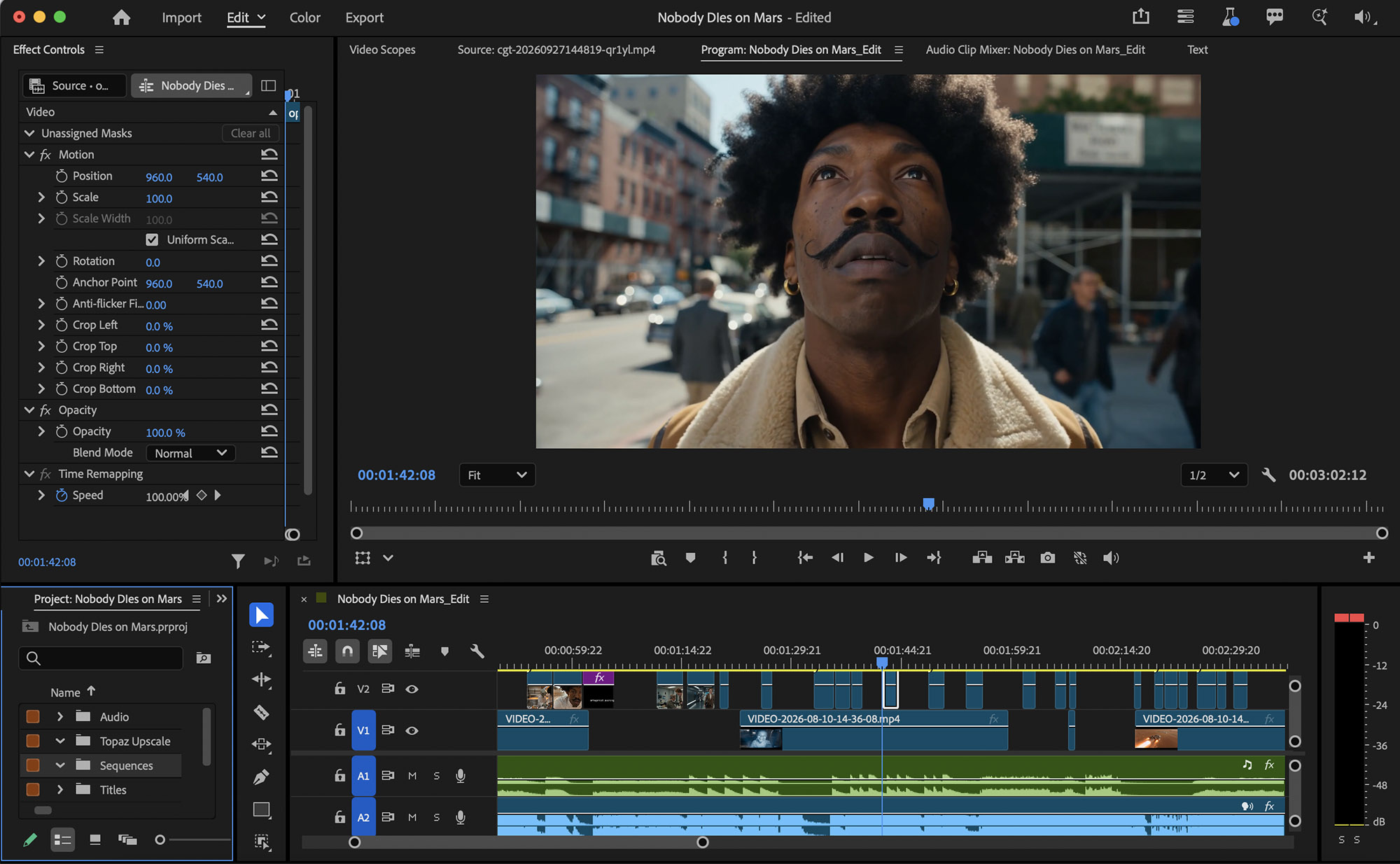
For Nobody Dies on Mars, Puhm worked across a range of generative tools, with much of the video created using Seedance. She often generated at 720p, then relied on Topaz to create the higher-resolution master needed for professional presentation.
Using Starlight Precise 2.6, Puhm enhanced and upscaled the generated material to 4K before its theatrical presentation.
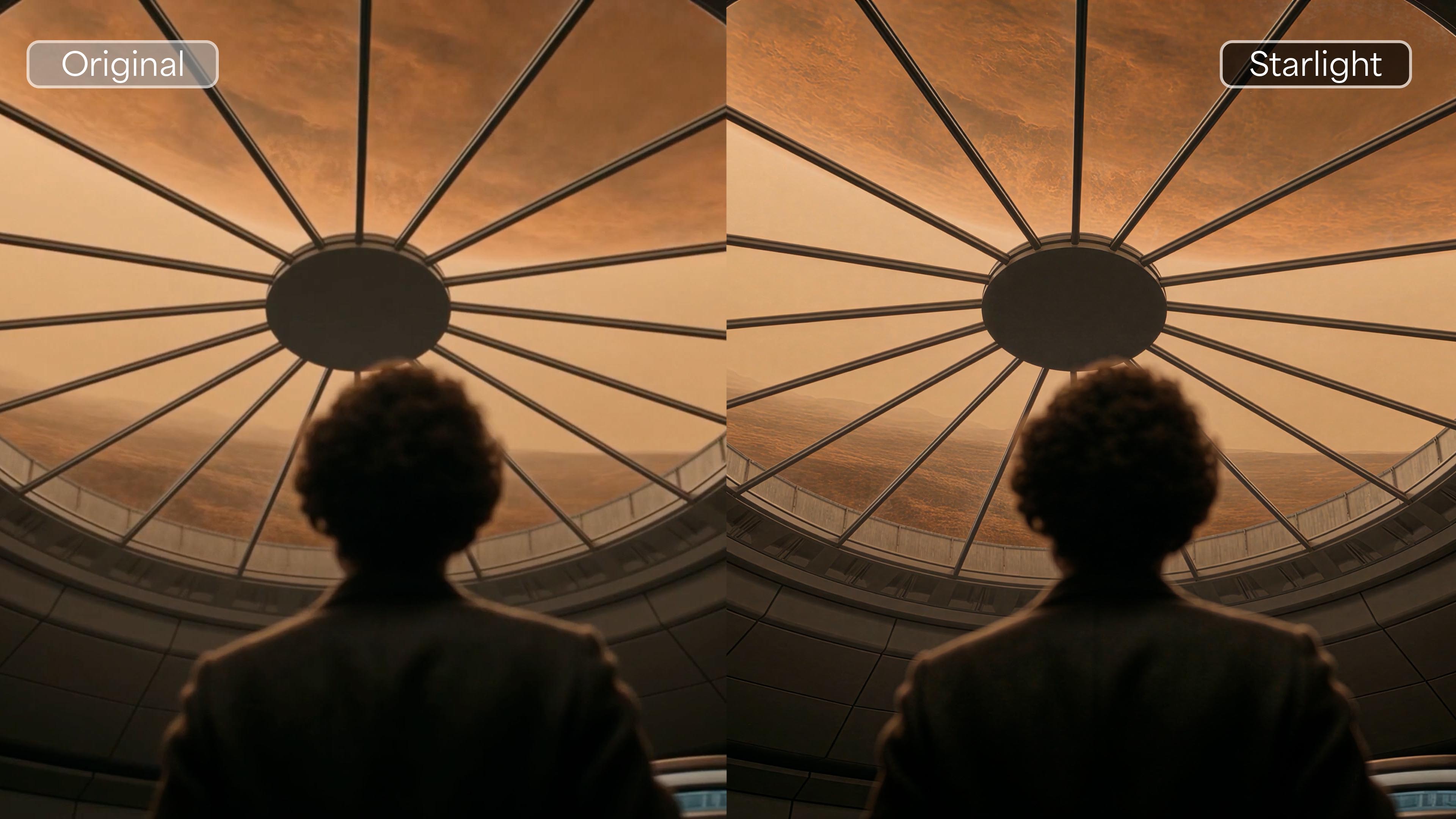
“I know and trust the tools very well. For video upscaling, Topaz is the best.”
Puhm has used Topaz and Adobe products throughout her filmmaking career, even as the generation models around them have changed dramatically. For Puhm, that finishing stage is part of what connects rapidly evolving GenAI tools to a professional production workflow. Generative models may be changing how quickly filmmakers can create images, but getting those images through an edit and onto the big screen still requires a reliable finishing pipeline.