





Can a single creator produce a feature-length film using AI that stands up to modern viewing expectations?
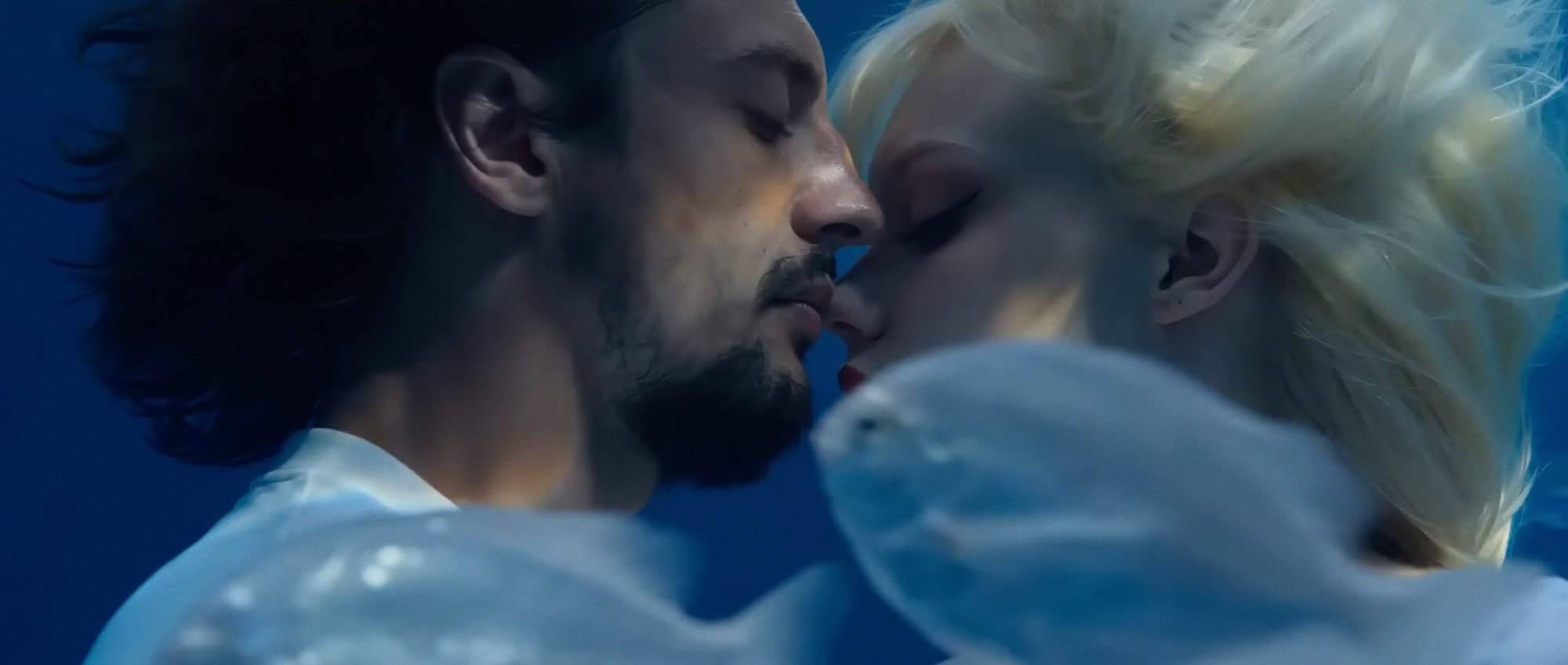
That question became the foundation for Dark Paradise, an 82-minute AI-generated thriller created by filmmaker and animator Iaroslav Kononov. Conceived as both a creative experiment and proof of concept, the project explored whether one filmmaker could use AI tools and post-production workflows to create a cohesive feature film with the image quality and consistency expected of a modern 4K production.
"The main goal was to demonstrate what is possible with one creator, AI tools, and a strong post-production workflow," says Kononov.
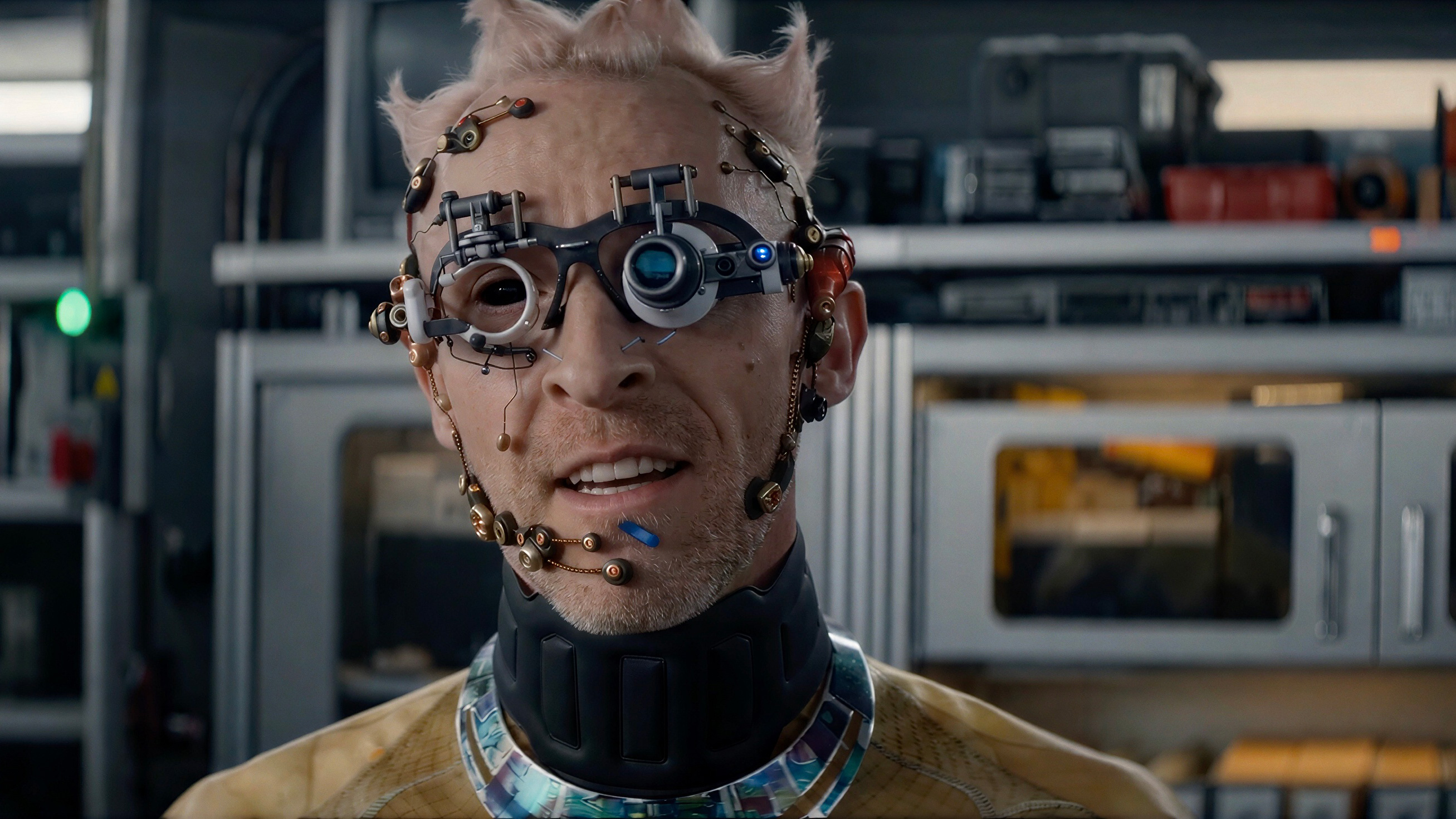
Traditional film productions rely on large teams, specialized departments, and significant budgets. Kononov wanted to see whether a single creator could produce a feature-length film using AI. "My struggle in filmmaking has always been that you need to bring together a lot of people, and the original idea can change during the process," he says. "I wanted to see what would happen if only one person was involved."
While AI tools have made it easier than ever to generate images and video, creating a feature-length film proved to be a different challenge. "Generating one beautiful shot is easy now," he explains. "Making hundreds of shots feel like they belong to the same world is much harder." Maintaining consistency across characters, environments, and visual style became one of the project's biggest obstacles. AI-generated footage can also introduce temporal instability, warping artifacts, and fluctuating image quality that become increasingly noticeable over a feature-length runtime.
Rather than treating AI as a shortcut, Kononov approached the project like a traditional production, building systems for references, story structure, quality control, and image enhancement. "AI filmmaking needs structure," he says. "You need character references, visual rules, style locks, shot lists, editing logic, quality control, and a post-production pipeline." As the founder of Motion Design School and creator of the AI filmmaking site FlashBoards, Kononov draws on years of experience in animation, motion design, and visual effects. To bring Dark Paradise to life, he combined a range of tools including ChatGPT, Nano Banana, Seedance, Topaz Labs, DaVinci Resolve, Ableton Live, and FlashBoards, guiding the project from concept to completion.
Bringing AI Footage to a 4K Finish
Creating a feature-length AI film isn't just about generating shots. It also requires a workflow capable of refining the footage for final delivery.
For Dark Paradise, Kononov relied on Starlight Precise 2.5 in the Astra web platform to enhance and upscale footage throughout the project. Beyond increasing resolution, the model helped improve image quality and visual consistency across the film's 4K delivery, reducing many of the artifacts commonly associated with AI-generated video.
"The feedback I often get is that people are surprised by how polished the final result looks after post-production," he says. "I don't want the work to feel like a random AI demo. I want it to feel like a finished visual piece." The Topaz finishing stage proved critical in bridging the gap between AI-generated footage and a complete cinematic experience.
"Topaz is useful because it lets creators push their AI footage closer to professional presentation quality."
The Future of AI Filmmaking
Today, Dark Paradise serves as a proof of concept for what's possible when AI generation is paired with a disciplined production workflow. While AI tools continue to become faster and more capable, Kononov believes creativity and storytelling will remain the real differentiators. "You can generate hundreds of videos," he says. "But the way you combine them into a story is what matters."
For Kononov, the future of filmmaking isn't just about generating content faster. It's also about bridging the gap between generated footage and finished films. "AI can create images, but it does not automatically create cinema," he says. "The strongest results come when you combine human taste, filmmaking knowledge, and AI acceleration." Tools like Astra and AI models like Starlight from Topaz play an important role in that process, helping creators transform AI-generated footage into polished, watchable stories. As Kononov puts it, "Topaz helps close that gap between interesting AI output and watchable finished footage."


